Skilled Tire Services: Get Back Driving In a Safe and Quick Manner
Professional tire services play a crucial role in assuring vehicle safety and operation. Skilled professionals perform in-depth inspections to recognize different tire problems. From punctures to balance issues, every concern requires careful consideration. Knowing when to get professional support can avert additional issues. As drivers deal with these obstacles, they might ponder about the optimal repair options and care routines. Looking into these matters can result in wise choices and more secure travels moving forward.
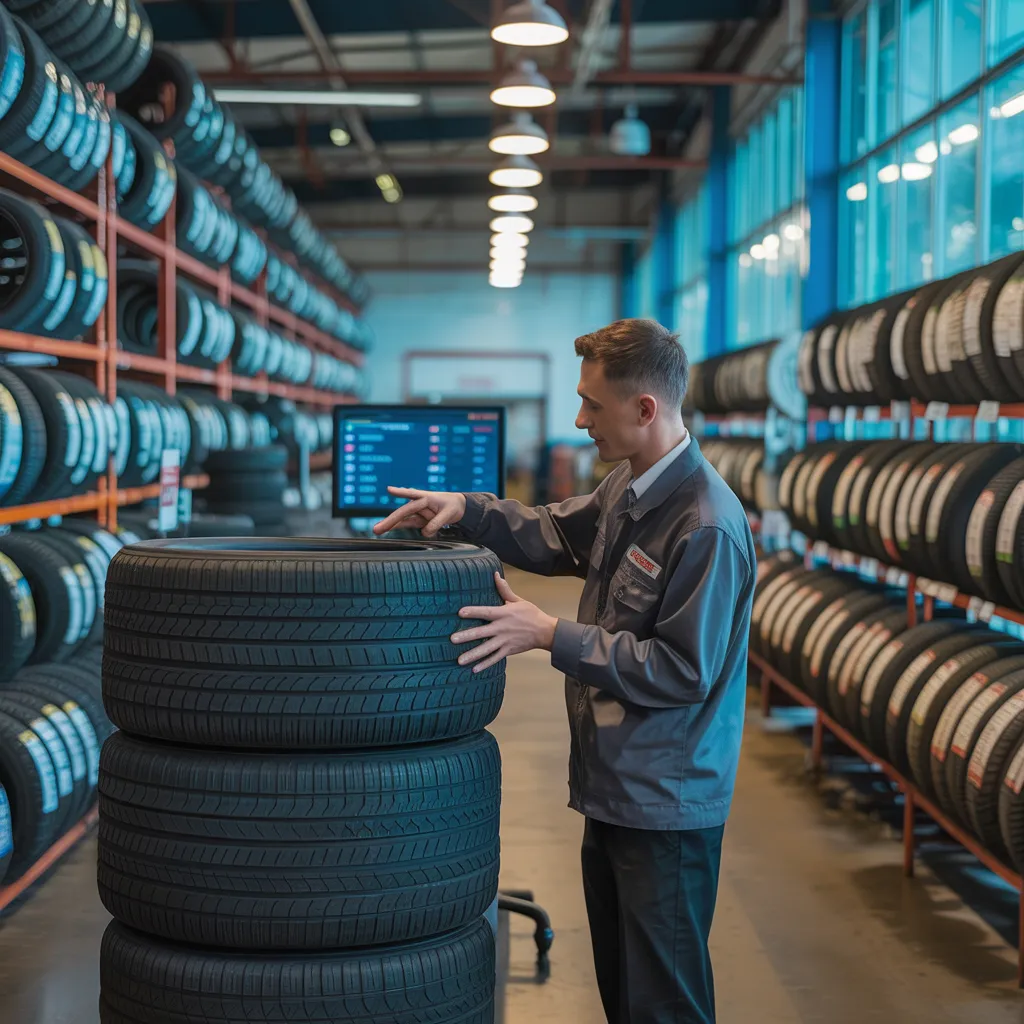
Frequent Tire Challenges to Recognize
When drivers neglect to monitor their tires, they may encounter several frequent concerns that can undermine safety and performance. One common problem is underinflation, which can result in increased tire wear and lower fuel efficiency. Over time, this can lead to the tires to overheat, increasing the risk of a blowout. Another common problem is tread wear, which impacts traction and handling, particularly in wet conditions. Uneven wear may indicate alignment or suspension issues, demanding further inspection. Additionally, drivers may face punctures or sidewall damage from road hazards, resulting in slow leaks or complete tire failure. Routine tire maintenance including rotations and inspections with correct inflation are vital for preventing these issues. Finally, environmental conditions can also contribute to tire degradation, making it important for drivers to stay vigilant about their tire health. By recognizing these common problems, drivers can improve their safety on the road.
How to Determine When to Get Tire Work?
Understanding the warning signs that tire servicing are essential is crucial for maintaining vehicle safety and operation. Drivers must remain alert to specific signals that reveal tire complications. Uneven usage formations on the tread, as an example, may indicate wheel alignment concerns or low tire pressure. Furthermore, visible deterioration, including cuts, bulges, or leaks, frequently calls for urgent attention. An unexpected reduction in air tension or repeated requirement for pressurization also suggests that fixes may be needed.
Drivers need to stay alert to handling and performance changes, such as vibrations or pulling to one side, which could reveal tire imbalances or internal damage. Also, regularly checking tread depth is mandatory; tires with bald or worn patches decrease traction. By noticing these signs, drivers can guarantee timely repairs, supporting both safety and vehicle longevity. Dealing with these issues quickly not only stops potential accidents but also minimizes more extensive repair costs later on.
What to Expect During the Tire Fix Process
The tire maintenance process generally involves several important stages to secure safety and performance. At first, a technician checks the tire for visible damage and judges its entire condition. This examination assists in determining whether the tire can be fixed or must be replaced. After the inspection, the technician might remove the tire from the wheel to detect punctures or hidden damage.
Once any issues are located, the technician cleans the damaged area and readies it for repair. This may include installing a patch or insert, based on the nature and position of the damage. After the fix is finished, the tyre is remounted and properly inflated to the manufacturer's specifications.
Finally, a quality control review confirms that the service meets safety criteria. Throughout the process, experts prioritize communication, informing the customer of findings and proposals. This structured approach guarantees a reliable repair, letting travelers to return to the road with trust.
DIY Tire Repairs vs. Professional Help
Once learning the tire repair process, many drivers may evaluate whether to manage repairs by themselves or get expert important guide support. DIY tire fixes can be attractive, especially for those with elementary technical expertise and implements. Simple perforations can often be fixed using repair kits available at auto supply stores, saving both effort and expenses. However, this method carries risks if appropriate techniques are not utilized, potentially resulting in additional damage or safety hazards.
However, expert tire repair providers present expertise and specialized equipment. Qualified professionals can accurately evaluate tire damage, confirming repairs are effective and secure. They can also recognize hidden concerns that a do-it-yourself method might neglect. Finally, the decision regarding professional assistance versus DIY repairs copyrights on the driver's confidence, skill level, and how severe the tire damage is. Reaching an educated decision is essential for ensuring safety on the road.
Steps for Determining the Superior Tire Repair Service
What steps can drivers take to ensure they choose the best tire repair service? First, they should investigate nearby options, focusing on customer testimonials and scores. This information delivers perspective into the quality of service and trustworthiness of various shops. Next, reviewing for certifications and affiliations with recognized automotive organizations can indicate competence and expertise.
Furthermore, drivers should ask about the range of repair options offered, making sure the shop can address their unique tire concerns. Pricing transparency is also vital; reliable establishments present detailed estimates without surprise fees.
Additionally, assessing the shop's protection plans on repairs can offer assurance. Finally, practicality matters—location relative to home or work, as well as operation times, can impact the decision. By examining these points, drivers can with certainty choose a repair facility that meets their needs effectively.
Benefits of Regular Tire Service
Regular tire upkeep delivers many advantages that prolong the life span and performance of tires. By regularly inspecting tire pressure, tread wear, and overall condition, vehicle owners can guarantee ideal traction and control. Proper inflation reduces wear, enhancing fuel efficiency and saving money at the pump. In addition, routine checks can help detect issues such as uneven wear or harm, enabling for timely repairs that prevent more significant problems down the road.
Maintaining wheel tires likewise increases safety by minimizing the chance of blowouts or accidents due to damaged tread. Additionally, a properly kept set of tires adds to a smoother ride, increasing comfort for the driver and passengers. Through investing effort in regular tire care, individuals are able to maximize their investment’s value, securing dependable performance and peace of mind while driving. Finally, maintaining tires regularly is a crucial element of being a responsible vehicle owner.
Methods for Steering Clear of Future Tire Problems
Maintaining tires actively can greatly lessen the odds of forthcoming problems. Often checking tire pressure is vital; underinflation can bring about untimely wear and compromised fuel efficiency. It is suggested to inspect tires for observable wear, such as cuts or bulges, which may denote structural issues. Repositioning tires every 5,000 to 8,000 miles helps confirm even wear, extending their lifespan.
In addition, keeping proper alignment and balance is important to prevent uneven tread wear. Drivers should also check tread depth, employing the penny test as a simple method; if Lincoln's head is visible, it's time for a new tire. Finally, avoiding excessive loading of the vehicle can reduce excessive strain on tires. By utilizing these methods, vehicle owners can boost tire longevity and promote a safer driving experience.

Frequently Asked Questions
How much time will a average tire service last?
A everyday tire maintenance typically needs 30 minutes to an hour timeframe contingent on the degree of damage and the type of repair necessary. Elements like technician availability and shop volume can also shape the overall duration.
Is Every Tire Type Capable of Being Repaired?
Certain tire types are beyond repair. Most commonly, tread punctures in passenger tires could be repairable, though sidewall damage, substantial wear, or tires featuring several repairs typically necessitate new tires to guarantee safety.
What Sum Should You Anticipate to Pay for Tire Repairs?
Tire repairs expenses typically range from $10 to $30, reliant upon the degree of damage and site. Considerations including tire type and your service provider may affect the ultimate cost, causing it variable.
Does Your Insurance Cover Tire Repair?
Protection for tire fixes differs by your insurance plan. Some policies offer emergency roadside support and repair expenses, though certain policies may exclude such coverage. It's essential for individuals to look over their particular coverage information to establish what coverage covers tire repairs.
How Can I Prolong My Tire's Lifespan?
To enhance a tire's service duration, ongoing upkeep is essential. This features maintaining proper tire pressure, rotating tires frequently, ensuring proper alignment, preventing excess loading, and examining tread depth for signs of wear or damage.